



Selecting the wrong access system for silo maintenance can extend project timelines by up to 40% and introduce serious fall hazards. Whether you're inspecting a 30-meter-tall bolted steel silo or retrofitting a concrete structure, the choice between suspended scaffolding and ground-supported access is a critical engineering decision that affects safety, cost, and operational continuity.
Why Silo Geometry and Shell Condition Dictate Scaffolding Choice
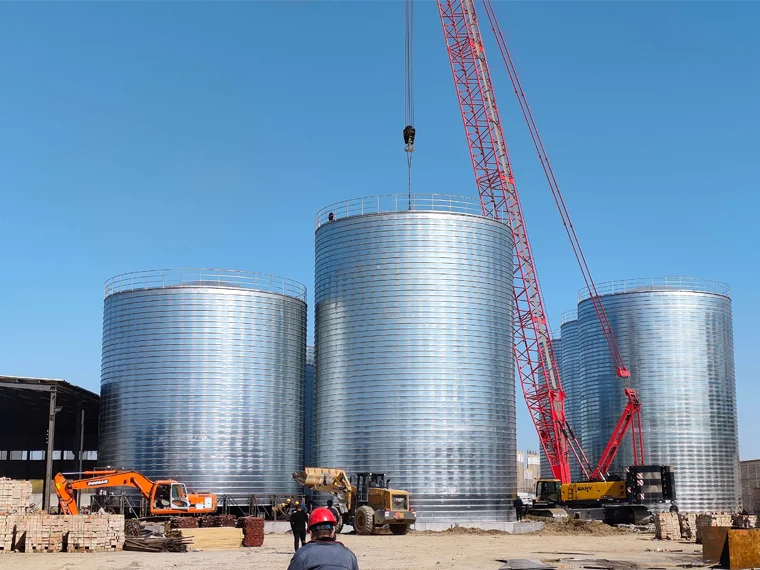
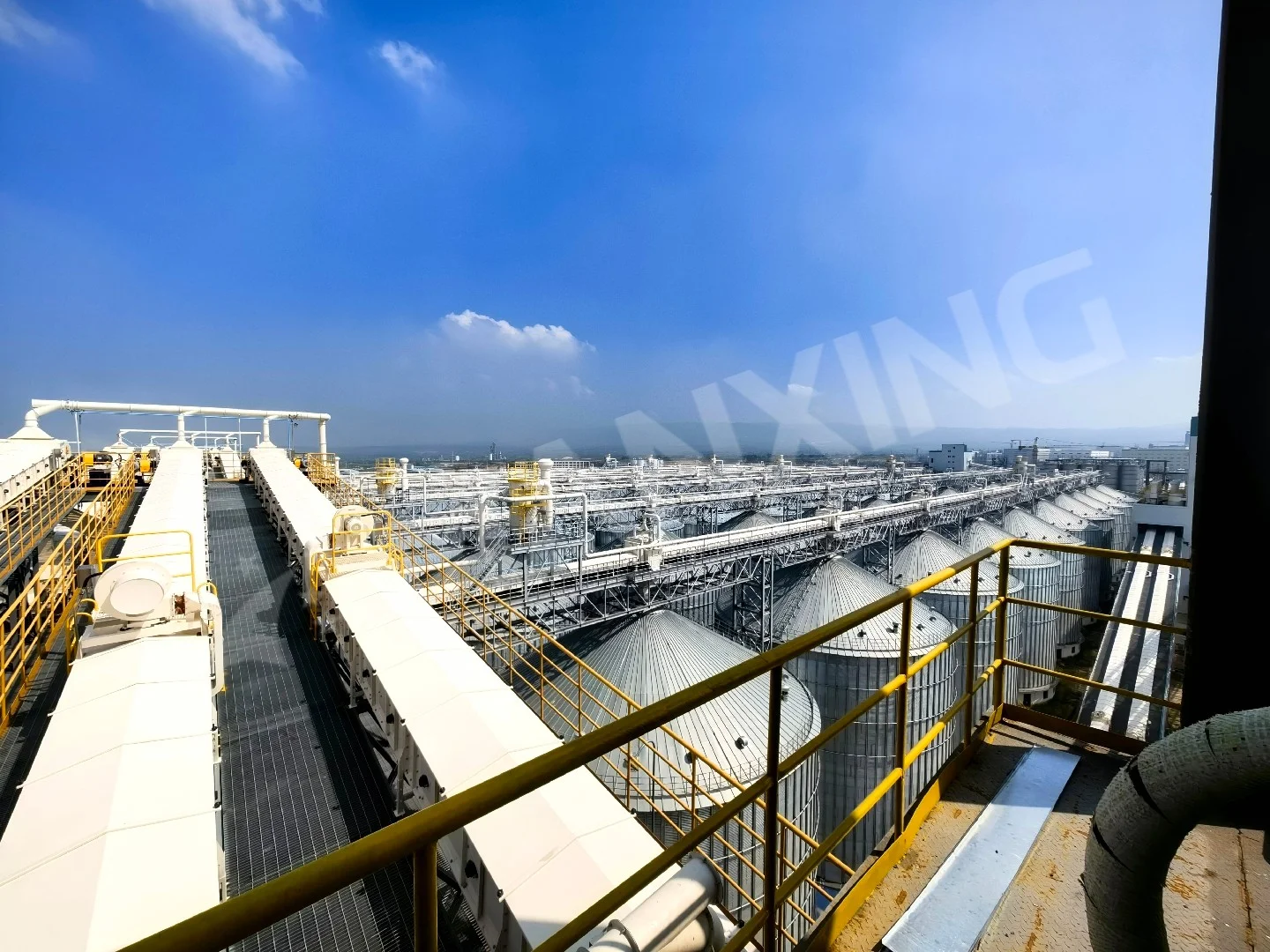
The first variable we evaluate is the silo's structural profile. For tall, slender silos with a height-to-diameter ratio exceeding 3:1, ground-supported scaffolding becomes logistically challenging. The base footprint required for stability often interferes with existing conveyor tunnels, hopper discharge areas, or concrete silo with loading system components. In a 2022 retrofit project for a 28-meter-tall grain silo, we calculated that a ground-supported system would require 1,200 square meters of base area, blocking access to three unloading pits. Suspended scaffolding, by contrast, reduced the footprint by 85% and allowed concurrent ground-level operations.
Shell condition is equally decisive. Corroded or uneven wall surfaces on older bolted silos make it nearly impossible to secure suspension cables without localized reinforcement. We always recommend a full ultrasonic thickness survey before committing to a suspended system. If wall thickness at attachment points is below 4 mm, ground-supported access is the safer default, even if it means longer setup times.
Load Capacity and Work Platform Requirements for Bulk Material Facilities
Maintenance tasks on grain storage silos typically involve replacing aerated floor panels, cleaning internal wall buildup, or inspecting weld seams. Each task imposes different live loads. For welding and grinding work, a minimum platform capacity of 250 kg/m² is standard, but suspended systems often struggle to meet this without multiple suspension points. In a recent project involving a concrete silo for poultry feed plant, the client needed to replace a 12-meter section of internal ladder. Ground-supported scaffolding was the only viable option because it allowed a continuous 2-meter-wide platform capable of holding both welders and a portable beam trolley.
Selecting the Correct Suspension Method for Bolted Silos
For bolted steel silos, we prefer using davit arms clamped to the top ring or roof structure. This avoids drilling into the shell and preserves the silo's weather-tight integrity. Ensure the davit base plate distributes load across at least three bolt connections. A professional manufacturer will provide load calculations certified by a structural engineer.
Common Misconception: Suspended Systems Are Always Faster
Many site managers assume suspended scaffolding is quicker because it avoids ground-level assembly. In practice, rigging and safety line verification for a 25-meter drop takes 8 to 12 hours with a four-person crew. Ground-supported systems using modular Manxing scaffolding can be erected in similar time if the base area is clear. The real time savings come when multiple silos are serviced sequentially—suspended rigging can be relocated in under 2 hours, while ground systems require full teardown.
Key Takeaways
- Core Data Point: Industry incident reports indicate that 68% of silo maintenance fall accidents occur when using improvised or non-engineered access systems.
- Best Practice: Always commission a structural load assessment of the silo roof and wall before selecting suspended scaffolding.
- Risk Alert: Wind loads above 20 km/h can destabilize suspended platforms on silos over 30 meters tall—monitor forecasts and implement a wind-speed shutdown protocol.
Cost-Benefit Analysis: Total Installed Cost vs. Operational Downtime
When comparing systems, look beyond the rental or purchase price. Ground-supported scaffolding for a 20-meter-tall silo with a 10-meter diameter typically costs 30-40% more in material handling and labor than suspended systems. However, the hidden cost is lost production. If the silo must remain empty during maintenance, every extra day of scaffolding setup adds to grain storage losses. For facilities using modular silo systems for modern grain storage, we often recommend a hybrid approach: use suspended scaffolding for the upper two-thirds of the shell and a small ground-supported tower for the lower cone section. This balances cost with accessibility, reducing total downtime by an average of 3.5 days per silo.
Frequently Asked Questions
Q: Can suspended scaffolding be used on silos with internal sweep augers or center sumps without interfering with equipment?
A: Yes, but only if the suspension cables are offset at least 1.5 meters from the silo centerline. For hopper-bottom silos with a central discharge, we use a three-point suspension system that avoids the sump area entirely. Always verify that the bottom counterweight or tie-down points do not obstruct the auger swing radius. In one case, a misaligned suspension point caused a 12-hour delay when the sweep auger had to be partially disassembled.
Q: What are the specific OSHA or equivalent international standards that apply to silo scaffolding selection?
A: For suspended scaffolding, OSHA 1926.452(x) requires that each platform be capable of supporting at least four times the intended load. For ground-supported systems, OSHA 1926.451 mandates guardrails at 42 inches and a maximum platform deflection of 1/60 of the span. In Europe, EN 12811-1 governs load classes, and for silo work, Load Class 4 (300 kg/m²) is typical. We always cross-reference these with local building codes, especially in seismic zones where additional lateral bracing is mandatory.
Looking for Professional Silo Storage Solutions?
We provide customized design, manufacturing, and installation services for steel silo systems worldwide.
Get Your Free Technical Consultation →