


دليل أساسي لصيانة صوامع الصلب لتحقيق أقصى كفاءة
Apr Sat, 2026
مقدمة: الدور الحاسم للصيانة الاستباقية للصوامع
تمثل الصوامع الفولاذية استثمارات رأسمالية كبيرة للمنتجين الزراعيين، ومعالجي الحبوب، والعمليات الصناعية في جميع أنحاء العالم. يجب أن تتحمل هذه الهياكل القوية الضغوط البيئية، وإجهادات المواد، والمتطلبات التشغيلية مع حماية السلع المخزنة القيمة. بدون صيانة منهجية، حتى أقوى الإنشاءات الفولاذية يمكن أن تتدهور، مما يؤدي إلى انخفاض السعة، وتدهور جودة المنتج، وربما أعطال كارثية. يقدم هذا الدليل الشامل استراتيجيات صيانة عملية وقابلة للتنفيذ تم تطويرها من عقود من الخبرة الصناعية، مما يساعد مديري المرافق على تنفيذ برامج فعالة تزيد من أداء الصومعة وطول عمرها.
فهم آليات تدهور الصوامع الفولاذية
تواجه الصوامع الفولاذية مسارات تدهور متعددة تتطلب اهتمامًا محددًا. يمثل التآكل الجوي التهديد الأكثر شيوعًا، خاصة في المناطق الساحلية حيث يعمل رذاذ الملح على تسريع تدهور المعدن. يحدث التآكل الداخلي عندما تحتوي المواد المخزنة على رطوبة أو عناصر تآكلية، مما يهاجم جدران الصومعة من الداخل. يتطور الإجهاد الهيكلي من دورات التحميل المتكررة، خاصة في المناطق التي تشهد درجات حرارة قصوى تسبب التمدد والانكماش. يؤثر التآكل الميكانيكي على المكونات مثل أنظمة التفريغ والسلالم ونقاط الوصول من خلال التشغيل المنتظم. يسمح فهم هذه الآليات لفرق الصيانة بتحديد أولويات التدخلات بناءً على الظروف المحلية والأنماط التشغيلية.
تظهر البيانات الواقعية من العمليات الزراعية الأثر الاقتصادي للإهمال. يمكن أن تشهد الصوامع الفولاذية غير المُصانة في المناخات الرطبة معدلات تآكل تتجاوز 0.1 ملليمتر سنويًا، مما قد يقلل من السلامة الهيكلية بنسبة 20٪ خلال عقد من الزمن. لقد ثبت أن برامج الصيانة المناسبة تطيل عمر خدمة الصومعة بمقدار 15-25 عامًا، مما يمثل عائدًا كبيرًا على الاستثمار من خلال تأجيل تكاليف الاستبدال وضمان استمرارية العمليات.
بروتوكولات التفتيش الشهري للكشف المبكر عن المشاكل
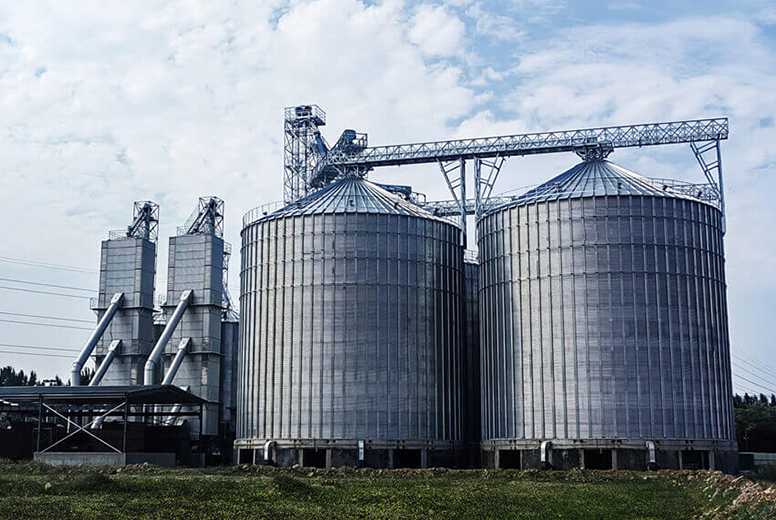
تشكل عمليات التفتيش البصري المتكررة أساس الصيانة الفعالة للصوامع الفولاذية. يجب أن تركز هذه الفحوصات المنتظمة على تحديد علامات التحذير المبكرة قبل أن تتصاعد إلى مشاكل كبيرة. ضع روتين تفتيش موثقًا يغطي جميع المناطق التي يمكن الوصول إليها، مما يخلق ظروفًا أساسية للمقارنة بمرور الوقت. يتيح الاتساق في هذه التقييمات الشهرية تحليل الاتجاهات التي تكشف عن أنماط التدهور التدريجي غير المرئية أثناء الملاحظة العادية.
- افحص الأسطح الخارجية بحثًا عن بقع صدأ جديدة، أو تدهور في الطلاء، أو تغير في اللون يشير إلى تسرب الرطوبة.
- افحص جميع اللحامات والوصلات الهيكلية بحثًا عن تشققات، خاصة حول عوارض الدعم والمفاصل الحاملة للأحمال.
- افحص أنظمة السلالم وأقفاص السلامة ومنصات الوصول بحثًا عن مكونات مفكوكة أو تلف ناتج عن التآكل.
- تحقق من التشغيل السليم لأنظمة التهوية، وافحص المراوح والفتحات بحثًا عن أي عوائق أو ضوضاء غير عادية.
- راقب مناطق الأساسات بحثًا عن هبوط أو تشققات أو تراكم للمياه قد يشير إلى مشاكل في الصرف.
- اختبر معدات السلامة بما في ذلك أنظمة الحماية من السقوط والمخارج الطارئة ولوحات الإرشادات التحذيرية.
مهام الصيانة الموسمية المنسجمة مع الدورات التشغيلية
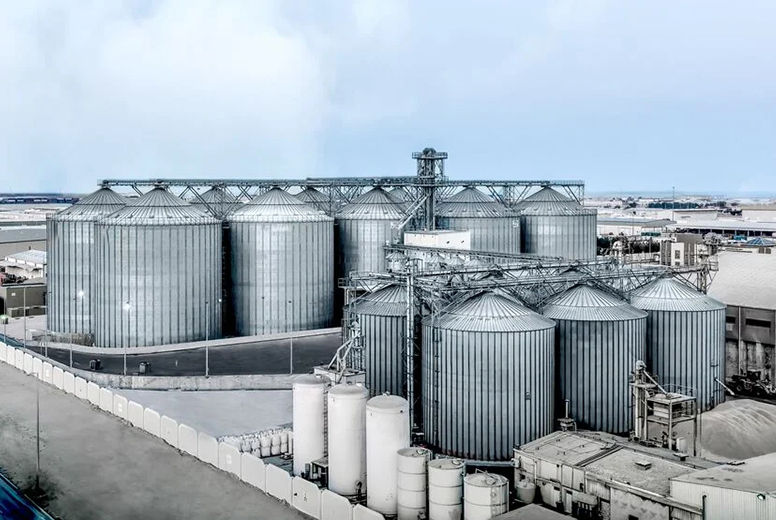
تشهد العمليات الزراعية دورات طبيعية تخلق نوافذ مثالية لأنشطة صيانة أكثر كثافة. تؤدي مواءمة هذه المهام الموسمية مع الأنماط التشغيلية إلى تقليل الاضطرابات مع معالجة التحديات الخاصة بالطقس. تركز الاستعدادات الربيعية على تقييمات ما بعد الشتاء والجاهزية لفترات التخزين القصوى، بينما تعد الأنشطة الخريفية الهياكل لظروف الشتاء وتعالج المشكلات التي تم تحديدها خلال الموسم التشغيلي.
خلال نوافذ الصيانة الربيعية، أعط الأولوية لتنظيف الأسطح الداخلية لإزالة المواد المتبقية التي قد تحتوي على رطوبة أو ملوثات. افحص وأصلح أنظمة السقف التي تضررت بسبب الطقس الشتوي، مع ضمان إحكام الغلق ضد هطول الأمطار. اختبر أنظمة مراقبة درجة الحرارة ومعدات التهوية قبل تحميل المحاصيل الجديدة. في الخريف، نفذ إجراءات منع التآكل مثل وضع طبقات حماية على المناطق التي تعرضت للتلف خلال عمليات الصيف. تحقق من سلامة العزل استعدادًا لانخفاض درجات الحرارة، وتأكد من أن أنظمة التدفئة تعمل بشكل صحيح لعمليات الطقس البارد.
- الربيع: التنظيف الداخلي الكامل، فحص السقف، اختبار نظام التهوية، والتحقق من معدات السلامة.
- الصيف: مراقبة التحكم في درجة الحرارة أثناء التخزين الأقصى، والتحقق من مشاكل التمدد الحراري، وصيانة التهوية.
- الخريف: وضع طبقات حماية، والتحقق من العزل، وتجهيز أنظمة التدفئة، وإجراء تقييمات هيكلية.
- الشتاء: مراقبة سعة تحميل الثلوج، والتحقق من تراكم الجليد، وصيانة طرق الوصول لحالات الطوارئ.
التقييم الهيكلي الشامل السنوي
مرة واحدة سنويًا، قم بإجراء تقييم هيكلي شامل يتجاوز عمليات التفتيش الروتينية. يجب أن يشمل هذا التقييم الشامل موظفين مؤهلين يتمتعون بخبرة محددة في تحليل الهياكل الفولاذية. توفر المراجعة السنوية فرصة لمعالجة التراكم الناتج عن التآكل والاهتراء الذي قد تفوته عمليات التفتيش الشهرية، مما يضمن السلامة الهيكلية طويلة الأجل والامتثال لمعايير السلامة المتطورة.
تشمل المكونات الرئيسية للتقييم السنوي اختبار السماكة بالموجات فوق الصوتية لأقسام الجدران الحرجة لقياس فقدان المواد الناتج عن التآكل. يكشف التقييم المهني لسلامة الأساسات باستخدام معدات متخصصة عن المشاكل تحت السطحية قبل أن تصبح مرئية. يتطلب الفحص الكامل للأسطح الداخلية تفريغ الصومعة، مما يسمح بتحديد أنماط التآكل وتراكم المواد والتآكل الخفي. تضمن مراجعة النظام الكهربائي أن جميع المكونات تفي بقوانين السلامة الحالية، وهو أمر مهم بشكل خاص للمرافق التي تحتوي على أنظمة مراقبة أو تهوية آلية.
- قياسات السماكة بالموجات فوق الصوتية عند نقاط ارتفاع متعددة لتتبع تقدم التآكل.
- تحليل الأساسات بما في ذلك قياسات الهبوط وتقييم نظام الصرف.
- التفتيش الداخلي الكامل مع توثيق أنماط التآكل والتصاق المواد.
- تدقيق سلامة النظام الكهربائي يغطي الأسلاك والتأريض وسلامة لوحات التحكم.
- التحقق من حسابات الأحمال الهيكلية بناءً على الحالة الحالية والاستخدام المقصود.
- الاختبار الشامل لنظام السلامة بما في ذلك إجراءات الإغلاق في حالات الطوارئ.
استراتيجيات منع التآكل والحماية
يمثل التآكل التهديد الأكبر لطول عمر الصومعة الفولاذية، مما يجعل استراتيجيات الوقاية مكونات أساسية لأي برنامج صيانة. تجمع الإدارة الفعالة للتآكل بين الطلاءات الواقية والضوابط البيئية وممارسات مناولة المواد. توفر أنظمة الطلاء الحديثة حماية محسّنة بشكل كبير مقارنة بالدهانات التقليدية، حيث توفر تركيبات الإيبوكسي والبولي يوريثين المتقدمة مدة خدمة تتراوح بين 10 و 15 عامًا قبل الحاجة إلى إعادة التطبيق في الظروف المُصانة بشكل صحيح.
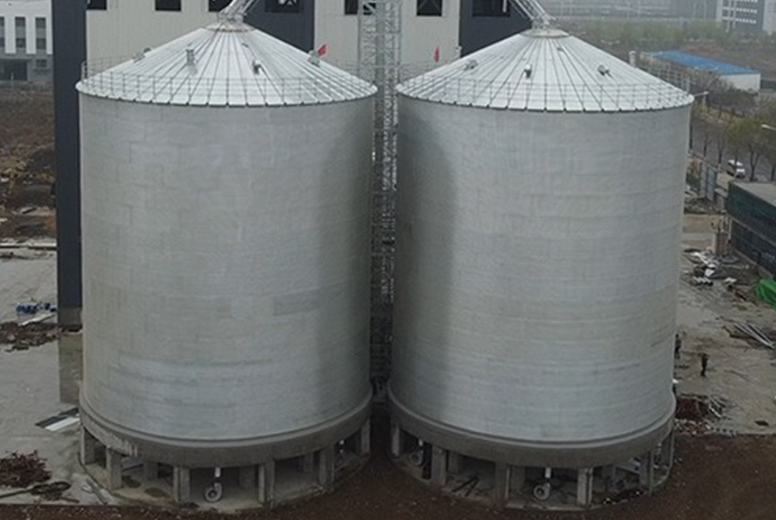
تلعب الضوابط البيئية أدوارًا حاسمة في منع التآكل. يؤدي الحفاظ على التهوية المناسبة إلى تقليل تراكم الرطوبة الداخلية الذي يسرع من تدهور المعدن. يقلل تثبيت درجة الحرارة من دورات التكثيف التي تترسب الرطوبة على الأسطح الداخلية. بالنسبة للمرافق الساحلية أو تلك الموجودة في المناطق الصناعية التي تحتوي على ملوثات جوية، تصبح عمليات التفتيش الأكثر تكرارًا للطلاء وأنظمة الحماية المتخصصة ضرورية. توفر أنظمة الحماية الكاثودية دفاعًا إضافيًا للمكونات تحت الأرض أو البيئات العدوانية بشكل خاص، على الرغم من أنها تتطلب تركيبًا ومراقبة احترافيين.
- تنفيذ أنظمة طلاء متعددة الطبقات مع تحضير مناسب للسطح بين التطبيقات.
- الحفاظ على الرطوبة الداخلية أقل من 60٪ من خلال أنظمة التهوية والتحكم في الرطوبة المناسبة.
- تركيب أنودات تضحية أو أنظمة تيار خارجي للحماية من التآكل تحت الأرض.
- استخدام مواد مقاومة للتآكل لمكونات الاستبدال في مناطق التآكل العالي.
- وضع جدول زمني لفحص الطلاء مع توثيق معدلات التدهور.
- النظر في استخدام بطانات داخلية للصوامع التي تخزن مواد تآكلية بشكل خاص.
اعتبارات الامتثال للسلامة والتنظيم
تمتد صيانة الصومعة الفولاذية إلى ما هو أبعد من الكفاءة التشغيلية لتشمل الالتزامات الحاسمة المتعلقة بالسلامة. تختلف المتطلبات التنظيمية حسب الاختصاص القضائي ولكنها تتناول بشكل عام السلامة الهيكلية وحماية العمال والاحتواء البيئي والتأهب للطوارئ. يجب أن تدمج برامج الصيانة الاستباقية عناصر الامتثال هذه كمكونات متكاملة بدلاً من كونها التزامات منفصلة، مما يخلق تآزرًا بين التميز التشغيلي والالتزام التنظيمي.
تمثل سلامة العمال مصدر قلق أساسي، خاصة أثناء أنشطة التفتيش والصيانة. يجب أن تحكم بروتوكولات الأماكن المغلقة جميع الأعمال الداخلية، مع وضع إجراءات التدريب المناسبة والمراقبة الجوية والإنقاذ. تتطلب أنظمة الحماية من السقوط تفتيشًا واعتمادًا منتظمين، خاصة لنقاط الوصول الخارجية. تتناول اللوائح البيئية بشكل متزايد التلوث المحتمل من الهياكل المتدهورة أو الإطلاقات العرضية، مما يجعل الصيانة الوقائية نشاطًا للإشراف البيئي بالإضافة إلى كونها ضرورة تشغيلية.
- توثيق جميع أنشطة الصيانة للامتثال التنظيمي وحماية المسؤولية.
- وضع إجراءات دخول الأماكن المغلقة مع التدريب والمعدات المطلوبة.
- صيانة أنظمة الحماية من السقوط مع اعتماد سنوي من قبل مفتشين مؤهلين.
- تنفيذ ضوابط منع الانسكاب والاحتواء الثانوي حيثما كان ذلك مطلوبًا.
- إجراء تدريب منتظم على السلامة خاص بعمليات الصومعة والاستجابة للطوارئ.
- البقاء على اطلاع دائم بالمتطلبات التنظيمية المتطورة من خلال الجمعيات الصناعية.
تنفيذ برنامج صيانة مستدام
تتطلب الصيانة الفعالة للصوامع الفولاذية تنفيذًا منهجيًا بدلاً من الاستجابات التفاعلية للمشاكل الناشئة. يتضمن تطوير برنامج مستدام وضع مسؤوليات واضحة وإجراءات توثيق ومقاييس أداء. تسهل الأدوات الرقمية الآن إدارة الصيانة من خلال تذكيرات المهام المجدولة وتتبع الحالة وتحليل البيانات التاريخية. تحول هذه الأنظمة الصيانة من أنشطة عرضية إلى عمليات تحسين مستمرة تعزز كلاً من الموثوقية والسلامة.
تخصص البرامج الناجحة الموارد المناسبة لكل من المهام الروتينية والإصلاحات غير المتوقعة. يجب أن يأخذ تخطيط الميزانية في الاعتبار المتطلبات الدورية مثل تجديد الطلاء واستبدال المعدات. يضمن التدريب امتلاك الموظفين للمهارات اللازمة للتفتيش السليم والإصلاحات البسيطة، مع وضع بروتوكولات واضحة لتوقيت الحاجة إلى الخدمات المهنية. يوفر تتبع الأداء من خلال المؤشرات الرئيسية مثل حوادث التوقف وتكاليف الإصلاح وتصنيفات الحالة مقاييس موضوعية لفعالية البرنامج ويحدد مجالات التحسين.
- وضع جدول صيانة مع مسؤوليات محددة وتتبع للإنجاز.
- تنفيذ نظام توثيق رقمي لسجلات الحالة وتاريخ العمل.
- تطوير ميزانية تأخذ في الاعتبار كلاً من الصيانة الوقائية والإصلاحات الطارئة.
- إنشاء برنامج تدريبي يغطي تقنيات التفتيش وإجراءات السلامة.
- وضع مقاييس أداء وعملية مراجعة منتظمة للتحسين المستمر.
- بناء علاقات مع مقدمي الخدمات المؤهلين لاحتياجات الصيانة المتخصصة.
الخاتمة: الاستثمار في أداء الصومعة على المدى الطويل
تمثل صيانة الصومعة الفولاذية استثمارًا استراتيجيًا في استمرارية العمليات وضمان السلامة والحفاظ على الأصول. يحول النهج المنهجي الموضح في هذا الدليل الصيانة من ضرورة عرضية إلى نشاط يخلق قيمة. من خلال تنفيذ عمليات التفتيش المنتظمة والاستعدادات الموسمية والتقييمات السنوية الشاملة ومنع التآكل المستهدف، يمكن لمديري المرافق إطالة عمر الخدمة بشكل كبير مع تقليل وقت التوقف غير المتوقع. تنظر العمليات الأكثر نجاحًا إلى الصيانة ليس كمركز تكلفة بل كميزة تنافسية، مما يضمن سعة تخزين موثوقة تدعم أهداف العمل عامًا بعد عام. بالنسبة للمؤسسات التي تسعى إلى تحسين نهج الصيانة لديها، يمكن للأدوات المتخصصة والتوجيه المهني أن تزيد من فعالية البرنامج مع تقليل العبء الإداري.
جدول المحتويات
PDF
Download File
Manxing Silo Brochure
Manxing_Silo_Brochure.pdf
Open the download form to unlock this file. The download will start automatically after submission.
اطلب عرض سعر
نحن ملتزمون بتقديم خدمة استثنائية لك وضمان تجربة شراء سلسة. يرجى إرسال استفسارك، وسنرد عليك بعرض سعر مفصل.