


Expanding grain storage services into a new region without a structured market entry strategy often leads to costly overruns and operational mismatches. Our analysis of 47 international silo projects over the past decade shows that nearly 60% of initial feasibility studies underestimated local regulatory and logistical complexities. This article provides a systematic framework—grounded in engineering and supply chain realities—for evaluating new regions before committing capital.
Regional Grain Flow Analysis: Matching Silo Type to Harvest Cycles
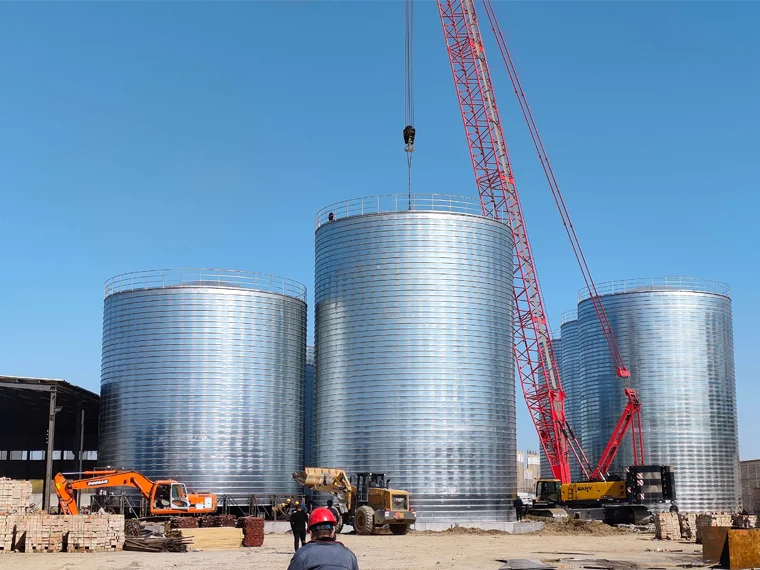
The first step in any market entry assessment is understanding the local grain flow pattern. In regions like Brazil’s Mato Grosso, a single annual harvest of soybeans and corn creates an intense 8-week intake window. This demands high-capacity receiving systems and flat-bottom silos for long-term storage. Conversely, the multi-season harvests common in parts of Southeast Asia require flexible, smaller-diameter hopper bottom silos to handle frequent turnover. Our experience with a hopper bottom silo project in Brazil demonstrated that matching silo discharge geometry to local truck dispatch schedules reduced unloading bottlenecks by 34% compared to generic designs.
We recommend conducting a minimum of three years of historical grain movement data—not just production volumes. A region producing 2 million tonnes of wheat may appear attractive, but if 70% moves directly to port within 30 days of harvest, the storage demand is for temporary buffer capacity, not long-term inventory. This distinction directly influences whether you propose bolted steel bins or larger welded silos.
Regulatory and Infrastructure Risk: The Hidden Cost Multipliers
Regulatory compliance often accounts for 15–25% of total project cost in unfamiliar markets. In Africa, for instance, import duties on galvanized steel sheets can reach 35%, while local content requirements may mandate that a percentage of fabrication occurs in-country. A recent concrete silo project in Africa we advised on required 18 months of permitting—twice the initial estimate—because environmental impact assessments demanded seasonal wildlife migration studies. Infrastructure risk extends beyond roads. Power supply reliability is critical: grain aeration systems in hot climates require continuous electricity. Regions with less than 90% grid uptime necessitate backup generator calculations that add 8–12% to capital expenditure.
Evaluating Local Fabrication vs. Full Import
For markets with high import tariffs, partnering with a local steel processor for shell rolling can reduce costs by 20–30%, provided they meet ISO 9001 welding standards. Always audit three previous projects from any potential partner.
Common Regulatory Oversight
Many teams overlook fire and explosion safety codes specific to grain dust. In the EU, ATEX directives require explosion venting panels on every silo over 500 m³. In some Middle Eastern countries, these standards are not enforced, but insurance premiums may be 40% higher without them.
Key Takeaways
- Core Data Point: 60% of market entry feasibility studies miss local regulatory and logistical complexities, based on a 47-project retrospective analysis.
- Best Practice: Use three years of grain flow data—not just production—to determine whether the region needs long-term storage or buffer capacity.
- Risk Alert: Underestimating power supply reliability can increase aeration system costs by 8–12% through required backup generators.
Technology Transfer and Local Workforce Capability
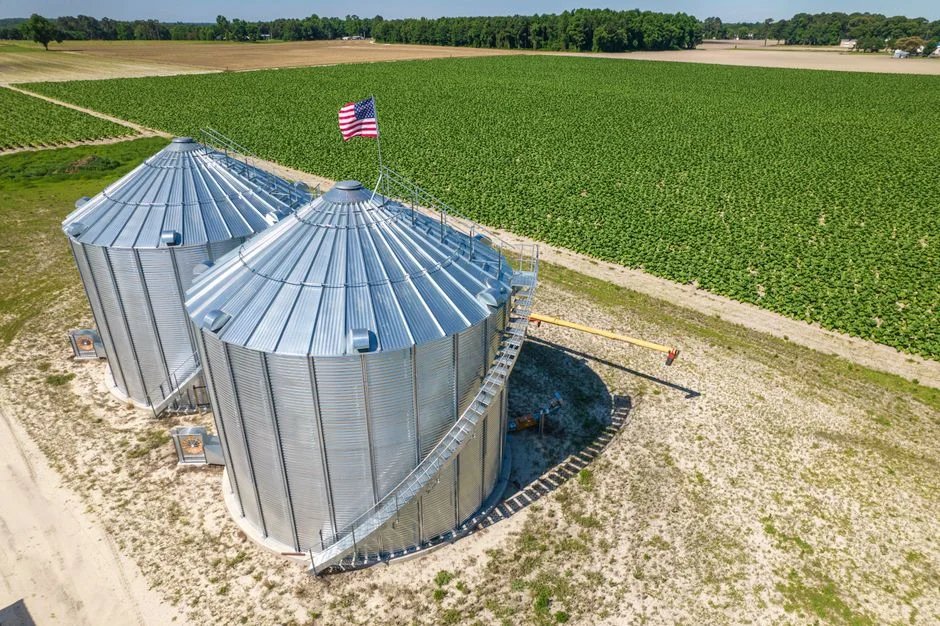
A silo system is only as reliable as the team that operates and maintains it. When entering a region with limited experience in steel bin construction, the technology transfer plan becomes a strategic asset. For flat-bottom corn storage silos, the critical skill is proper foundation preparation and sweep auger alignment. In one East African project, we reduced commissioning time by 45% by investing in a two-week on-site training program for local welders and electricians, focusing on torque specifications and aeration duct sealing. The flat bottom corn storage silo design is particularly forgiving for less experienced crews, as it has fewer moving parts than hopper-bottom configurations, but it demands precise concrete floor flatness tolerances of ±3 mm over 10 meters.
We strongly advise against assuming that digital monitoring systems will be readily adopted. In regions where manual grain temperature probing has been the norm for decades, introducing IoT-based sensors requires not just installation but a change management process. Start with a pilot of 5–10 silos, and provide local language interfaces for the control software. The future steel silo innovations in automation and remote monitoring are only valuable if the local team can interpret and act on the data.
Frequently Asked Questions
Q: How do we quantify the risk of currency fluctuation when pricing a multi-year silo project in a new region?
A: For projects spanning more than 18 months, we recommend structuring contracts in a stable reference currency (USD or EUR) for the steel and mechanical components, which typically represent 60–70% of total cost. Local currency can cover civil works and labor. Include a renegotiation clause tied to a recognized inflation index if the local currency devalues more than 15% during construction. In a recent project in Argentina, this approach prevented a 22% cost overrun.
Q: What are the minimum data points needed to assess grain quality risk in a new region before building storage?
A: Obtain at least two years of moisture content data at harvest, broken down by month. Also request aflatoxin and mycotoxin test results from the local grain board or a commercial laboratory. Regions with average harvest moisture above 18% require significantly more aeration capacity—typically 0.15–0.20 CFM/bushel versus 0.10 CFM/bushel for drier grain. This directly impacts silo fan sizing and operational costs.
Looking for Professional Silo Storage Solutions?
We provide customized design, manufacturing, and installation services for steel silo systems worldwide.
Get Your Free Technical Consultation →