


Безопасность зернохранилищ и нормативные требования: Основное руководство по часто задаваемым вопросам
Apr Thu, 2026
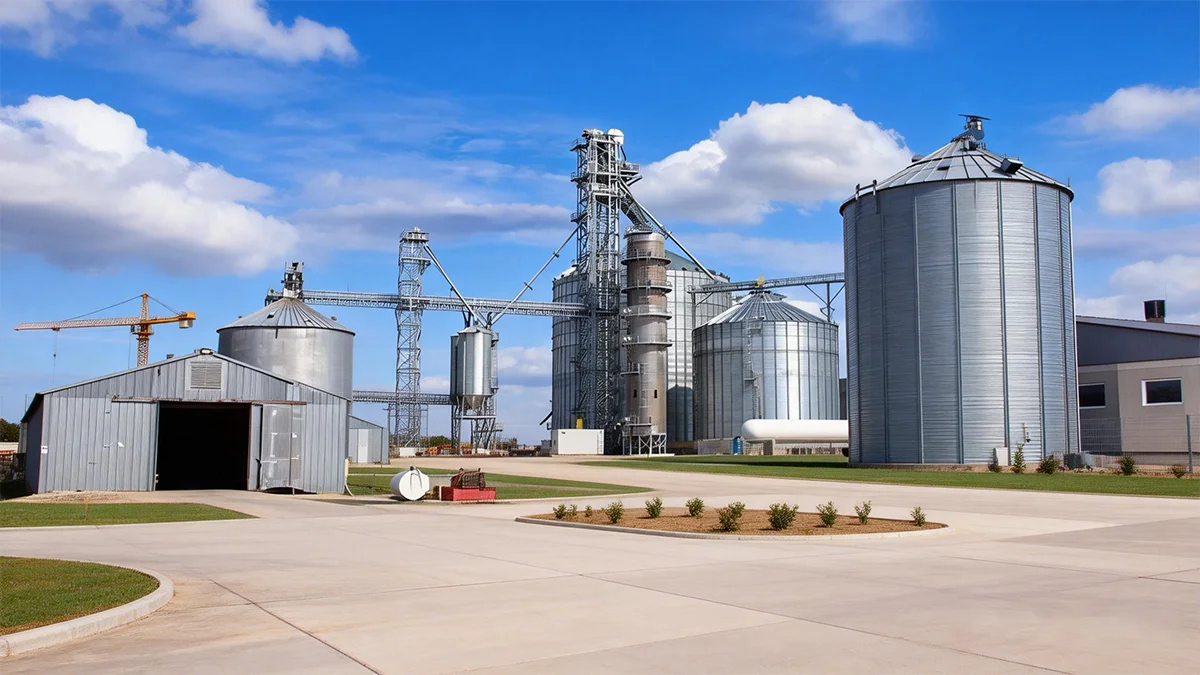
Эксплуатация силосов для хранения зерна сопряжена с управлением значительными рисками при соблюдении сложных нормативных требований. Для руководителей объектов, специалистов по безопасности и сотрудников, отвечающих за соблюдение норм, понимание как технических мер безопасности, так и юридических обязательств имеет решающее значение для защиты персонала, сохранения качества зерна и предотвращения дорогостоящих штрафов. Данное руководство в формате FAQ отвечает на наиболее актуальные вопросы о протоколах безопасности силосов и нормативных требованиях, опираясь на отраслевые стандарты и практический опыт эксплуатации. Независимо от того, управляете ли вы одним фермерским силосом или крупным коммерческим хранилищем, эти рекомендации помогут вам разобраться в ключевых аспектах безопасной и соответствующей нормам эксплуатации зернохранилищ.
Каковы наиболее критичные опасности для безопасности в зерновых силосах?
Зернохранилища представляют собой несколько значительных опасностей, требующих тщательного управления. Наиболее опасными являются риски затягивания при входе в зерно или его перемещении, когда рабочие могут быть застигнуты врасплох и задохнуться в потоке зерна в течение нескольких секунд. Согласно отраслевым данным, человек может полностью погрузиться в зерно менее чем за 30 секунд, стоя на движущемся зерне, что делает спасение практически невозможным без надлежащих систем безопасности. Отказы конструкций представляют собой еще одну серьезную проблему, особенно для старых силосов или тех, которые подвержены коррозии из-за зерновых кислот и влаги. Регулярные проверки должны быть сосредоточены на целостности сварных швов, толщине стенок и устойчивости фундамента для предотвращения катастрофических обрушений.
Дополнительные опасности включают взрывы пыли, которые могут произойти, когда зерновая пыль достигает определенной концентрации в воздухе и сталкивается с источником воспламенения. Надлежащие системы вентиляции и пылеулавливающее оборудование необходимы для снижения этого риска. Вход в замкнутые пространства представляет свои собственные проблемы, требуя специального обучения, контроля атмосферы и процедур спасения. Электрические опасности от оборудования в потенциально взрывоопасных средах также должны быть устранены с помощью надлежащего заземления и взрывозащищенных установок. Понимание этих рисков составляет основу для разработки комплексных протоколов безопасности.
Какие регулирующие органы контролируют эксплуатацию зерновых силосов?
Множество агентств контролируют различные аспекты эксплуатации зернохранилищ, создавая многоуровневую нормативную среду. Управление по охране труда и промышленной безопасности (OSHA) устанавливает стандарты безопасности на рабочем месте, включая специальные правила для объектов по переработке зерна в соответствии с 29 CFR 1910.272. Эти стандарты касаются таких вопросов, как процедуры блокировки/маркировки, планы действий в чрезвычайных ситуациях и требования к обучению сотрудников. Национальная ассоциация противопожарной защиты (NFPA) предоставляет добровольные консенсусные стандарты, в частности NFPA 61 для предотвращения пожаров и взрывов пыли на предприятиях сельского хозяйства и пищевой промышленности.
Экологические нормы исходят от таких агентств, как Агентство по охране окружающей среды (EPA), которое контролирует вопросы, связанные с ливневыми стоками, качеством воздуха (особенно выбросами твердых частиц) и потенциальным загрязнением от хранящихся материалов. Государственные и местные органы власти часто предъявляют дополнительные требования к разрешениям на строительство, зонированию и проверкам пожарной безопасности. Для объектов, работающих с органическим зерном, сертификация USDA Organic добавляет еще один уровень соответствия в отношении условий хранения и предотвращения загрязнения. Понимание того, какие правила применяются к вашей конкретной деятельности, является первым шагом к поддержанию соответствия.
Какое защитное оборудование является обязательным для эксплуатации зерновых силосов?
Необходимое защитное оборудование делится на несколько категорий в зависимости от функции и нормативных требований. Системы защиты от падения имеют решающее значение для любых работ на высоте, включая правильно закрепленные страховочные привязи, страховочные стропы и перила вокруг точек доступа и рабочих платформ. Для входа в замкнутые пространства необходимо использовать устройства контроля атмосферы для проверки уровня кислорода и обнаружения опасных газов до и во время операций входа. Эти устройства должны регулярно калиброваться в соответствии со спецификациями производителя.
Устройства блокировки/маркировки для всех источников энергии, включая электрические, механические и пневматические системы
Аварийные системы извлечения с треногами или устройствами типа «давит» для спасения из замкнутых пространств
Средства индивидуальной защиты, включая респираторы, средства защиты органов слуха и защитную одежду
Системы пожаротушения, соответствующие конкретным имеющимся опасностям
Надлежащее освещение всех рабочих зон, особенно в замкнутых пространствах
Системы связи для работников в изолированных или опасных местах
Помимо этих основ, специализированное оборудование, такое как индикаторы уровня зерна в бункерах с возможностью удаленного мониторинга, может снизить необходимость физического входа. Системы пылеулавливания, соответствующие стандартам NFPA, необходимы для предотвращения взрывов. Регулярное техническое обслуживание и записи проверок всего защитного оборудования обеспечивают документальное подтверждение усилий по соблюдению требований и помогают выявить оборудование, требующее замены или ремонта.
Как часто должны проводиться структурные проверки зерновых силосов?
Частота структурных проверок зависит от нескольких факторов, включая возраст силоса, материал конструкции, условия окружающей среды и характер использования. Более новые стальные силосы обычно требуют комплексных проверок каждые 3-5 лет, в то время как более старые конструкции или те, которые находятся в агрессивных средах, могут нуждаться в ежегодных оценках. Бетонные силосы требуют особого внимания к коррозии арматуры и трещинам, которые могут указывать на структурные проблемы. Внешние проверки должны проводиться не реже одного раза в квартал, с акцентом на осадку фундамента, деформацию стен и характер коррозии.
Внутренние проверки представляют собой более серьезные проблемы из-за требований к замкнутым пространствам, но необходимы для выявления проблем, невидимых снаружи. Их следует планировать на периоды, когда силос пуст, и они должны включать детальный осмотр поверхностей стен, сварных швов или соединений, а также внутренних компонентов. Специализированные методы, такие как ультразвуковая толщинометрия, могут обнаружить истончение стенок до того, как оно станет визуально заметным. Документация всех проверок должна включать фотографии, измерения и конкретные рекомендации по ремонту или дальнейшей оценке. Многие объекты внедряют системы мониторинга состояния, которые отслеживают такие параметры, как температура, влажность и структурные перемещения между формальными проверками.
Какие требования к обучению применяются к персоналу, работающему с силосами?
Комплексные программы обучения должны учитывать как нормативные требования, так и специфические для объекта опасности. OSHA требует специального обучения для сотрудников, работающих на объектах по переработке зерна, охватывающего такие темы, как порядок действий в чрезвычайных ситуациях, распознавание опасностей и эксплуатация оборудования. Это обучение должно проводиться изначально и регулярно обновляться, с ведением документации для проверки регулирующими органами. Обучение по входу в замкнутые пространства особенно важно, требуя как аудиторных занятий, так и практических упражнений в смоделированных условиях.
Обучение по информированию об опасностях, охватывающее химические риски и паспорта безопасности
Процедуры блокировки/маркировки для всех затронутых сотрудников
Обучение по защите от падения для работ на высоте
Протоколы оказания первой помощи и действий в чрезвычайных ситуациях
Меры по предотвращению и контролю взрывов пыли
Обучение эксплуатации и техническому обслуживанию конкретного оборудования
Процедуры расследования инцидентов и отчетности
Помимо обязательного обучения, многие объекты внедряют оценку на основе компетенций, чтобы гарантировать, что персонал может применять свои знания в реальных ситуациях. Перекрестное обучение между различными ролями повышает общую осведомленность о безопасности и возможности реагирования на чрезвычайные ситуации. Регулярные собрания по безопасности предоставляют возможность обсудить инциденты, едва не приведшие к аварии, пересмотреть процедуры и закрепить безопасные методы работы. Документация всей учебной деятельности демонстрирует усилия по соблюдению требований и помогает определить области, требующие дополнительного внимания.
Как следует разрабатывать и проверять планы действий в чрезвычайных ситуациях?
Эффективное планирование на случай чрезвычайных ситуаций начинается с тщательного анализа опасностей, характерных для конструкции, местоположения и операций вашего объекта. Планы должны охватывать несколько сценариев, включая пожары, отказы конструкций, неотложные медицинские состояния и инциденты, связанные с окружающей средой. Каждый план должен четко определять роли и обязанности, протоколы связи и процедуры эвакуации. Местные аварийно-спасательные службы следует привлекать к разработке плана, чтобы обеспечить совместимость с возможностями реагирования сообщества и ознакомить спасателей с планировкой объекта и опасностями.
Регулярное тестирование с помощью учений и тренировок необходимо для проверки эффективности плана и выявления возможностей для улучшения. Командно-штабные учения могут проверить процессы принятия решений для сложных сценариев, в то время как полномасштабные учения проверяют практические возможности реагирования. Разборы действий после любого инцидента или учения должны документировать извлеченные уроки и необходимые пересмотры плана. Аварийное оборудование должно регулярно проверяться и обслуживаться, а пути доступа к нему должны быть свободны. Системы связи должны включать резервные методы на случай отказа основных систем во время чрезвычайных ситуаций.
Какая документация требуется для соблюдения нормативных требований?
Ведение надлежащей документации служит как целям соблюдения нормативных требований, так и операционной безопасности. Требуемые записи обычно включают отчеты о проверках, охватывающие структурные оценки, состояние оборудования и функциональность систем безопасности. Учебные записи должны документировать, кто прошел какое обучение, когда оно проводилось и кто его проводил. Отчеты об инцидентах должны фиксировать детали любых несчастных случаев, инцидентов, едва не приведших к аварии, или проблем безопасности, а также принятые корректирующие меры.
Разрешения и сертификаты на эксплуатацию объекта
Журналы технического обслуживания всего критически важного для безопасности оборудования
Паспорта безопасности на используемые или хранящиеся химические вещества
Планы действий в чрезвычайных ситуациях и документация учений
Записи мониторинга воздуха для операций в замкнутых пространствах
Документация по процедурам блокировки/маркировки
Данные мониторинга качества и состояния зерна
Многие объекты внедряют цифровые системы управления для организации и отслеживания документации по соблюдению требований, с автоматическими напоминаниями о повторяющихся требованиях, таких как сроки проверок или продление обучения. Регулярные аудиты полноты и точности документации помогают выявить пробелы до проведения проверок регулирующими органами. Надлежащая документация не только демонстрирует соответствие требованиям, но и предоставляет ценные данные для постоянного улучшения безопасности.
Как технологии могут повысить безопасность силосов и соблюдение требований?
Современные технологические решения предлагают значительные преимущества как для управления безопасностью, так и для соблюдения нормативных требований. Системы удаленного мониторинга могут отслеживать условия внутри силосов без необходимости физического входа, используя датчики для измерения температуры, уровня влажности и концентрации газов. Автоматические индикаторы уровня зерна предоставляют точные данные о запасах, устраняя необходимость в ручных измерениях в опасных местах. Тепловизионные камеры могут обнаруживать горячие точки, указывающие на потенциальный риск пожара или порчи, до того, как они станут критическими.
Цифровые системы документирования оптимизируют требования к ведению записей с помощью таких функций, как автоматические напоминания о проверках и продлении обучения. Мобильные приложения позволяют полевому персоналу получать доступ к процедурам безопасности, сообщать об опасностях и заполнять контрольные списки в режиме реального времени. Технологии предиктивного обслуживания анализируют данные о производительности оборудования для выявления потенциальных сбоев до их возникновения, сокращая незапланированные простои и риски для безопасности. Хотя технологии не могут заменить надлежащие процедуры и обученный персонал, они могут значительно повысить эффективность программ безопасности при продуманной интеграции в существующие операции.
Внедрение комплексных программ безопасности и соблюдения требований требует постоянного внимания как к техническим деталям, так и к изменениям в нормативной базе. Отвечая на вопросы, затронутые в этом руководстве, операторы объектов могут создать надежные системы, которые защищают работников, сохраняют качество зерна и поддерживают соответствие нормативным требованиям. Регулярный пересмотр процедур, непрерывное обучение и профилактическое обслуживание составляют основу успешной эксплуатации зернохранилищ. Для получения индивидуальных рекомендаций по внедрению этих методов на вашем конкретном объекте проконсультируйтесь с квалифицированными специалистами по безопасности, которые понимают уникальные проблемы промышленного хранения зерна.
Оглавление
PDF
Download File
Manxing Silo Brochure
Manxing_Silo_Brochure.pdf
Open the download form to unlock this file. The download will start automatically after submission.
Запросить цену
Мы стремимся предоставить вам исключительный сервис и обеспечить беспрепятственный опыт покупки. Пожалуйста, отправьте нам ваш запрос, и мы ответим с подробной сметой.