


كيفية تنظيف صومعة الحبوب
Jan Wed, 2026
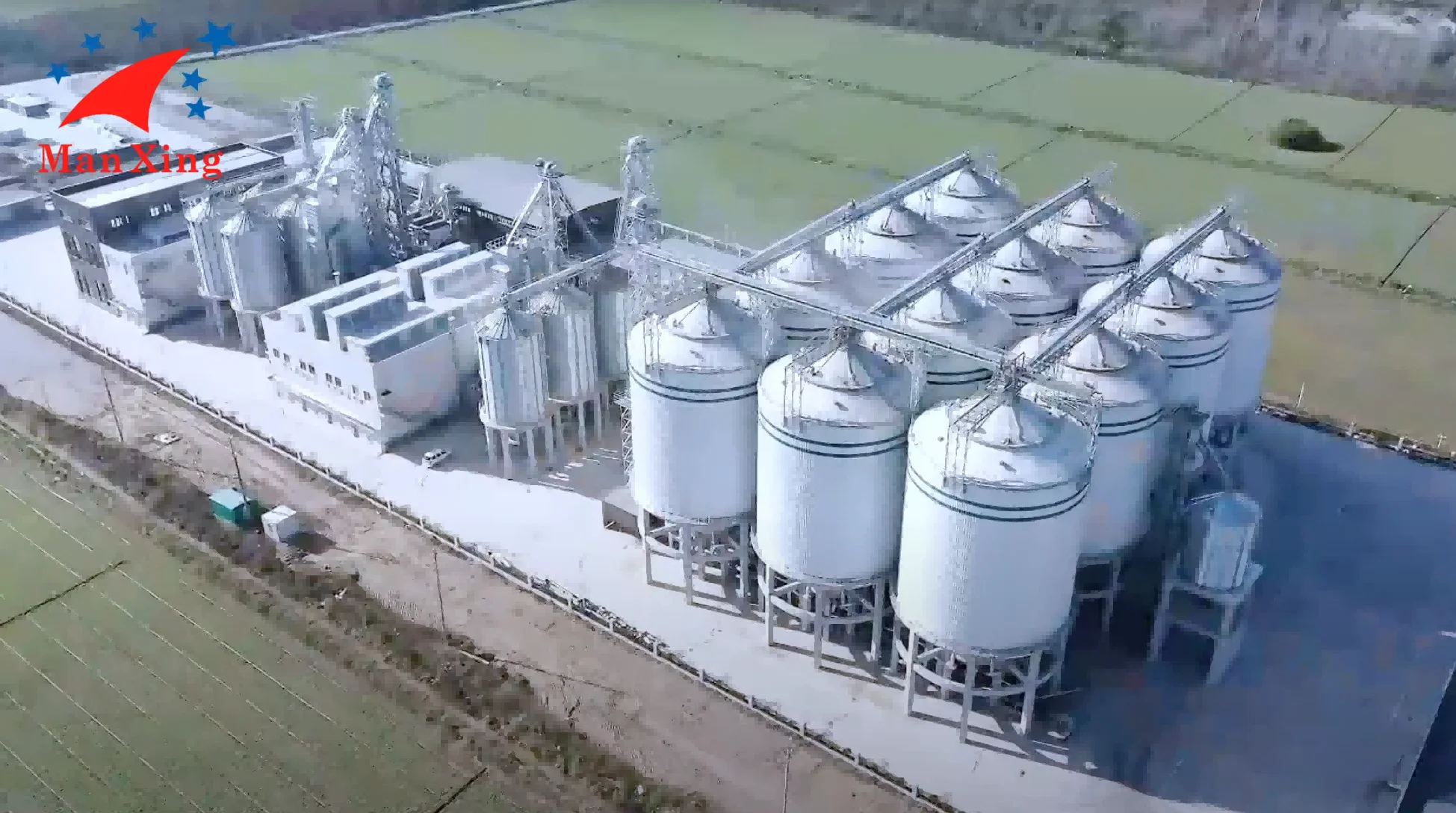
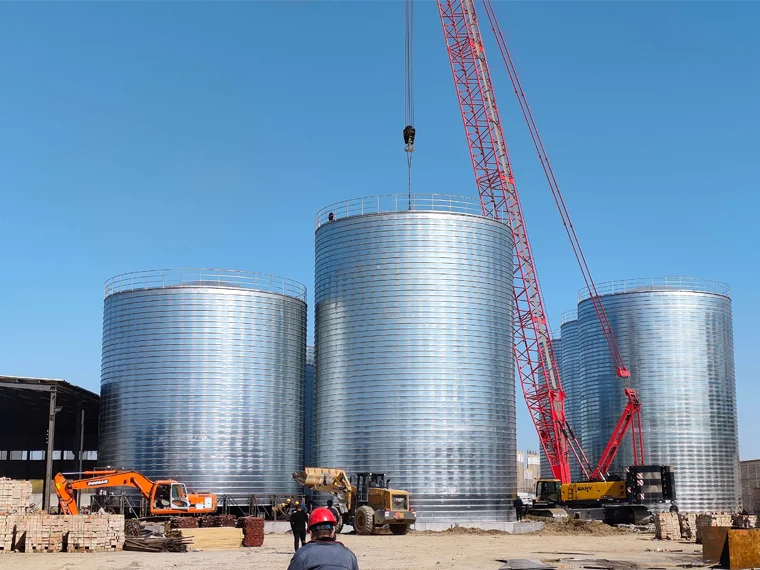
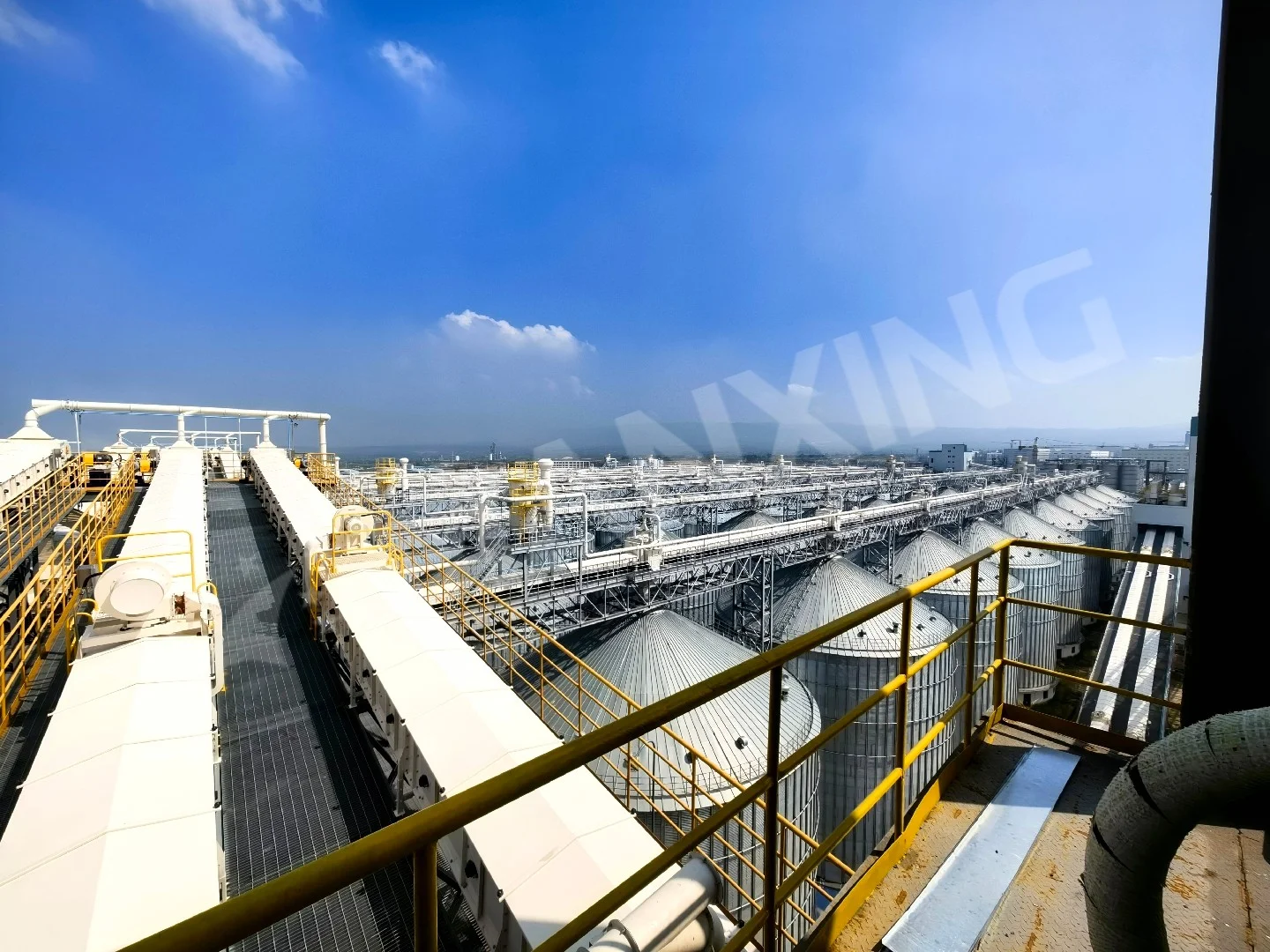
صناديق الحبوب هي العمود الفقري غير المُقدَّر لتخزين المحاصيل الزراعية، حيث تحمي المحاصيل القيمة من الرطوبة والآفات والتلف. ومع ذلك، حتى أقوى الصناديق قد تفشل دون تنظيف مناسب. فالمخلفات المهملة - مثل العفن ويرقات الحشرات أو الحبوب المتبقية - تُشكّل بيئات خصبة للتلوث، وتُقلّل من سعة التخزين، وتُضعف جودة الحبوب. في هذا الدليل، سنشرح بالتفصيللماذا، ومتى، وكيفتنظيف صندوق الحبوب، مع مقارنة الطرق اليدوية مقابل الآلية، واستكشاف تكوينات المعدات، ومشاركة نصائح الخبراء لضمان بقاء صندوقك حل تخزين آمن وفعّال.
لماذا يُهم تنظيف صندوق الحبوب: أبعد من "المظهر النظيف"
قبل الخوض في الطرق، من الضروري فهم لماذا يُعد التنظيف المنتظم أمرًا لا يقبل المساومة:
قبل الخوض في الطرق، من الضروري فهم لماذا يُعد التنظيف المنتظم أمرًا لا يقبل المساومة:
خطر العفن والسموم الفطرية: تمتص جزيئات الحبوب المتبقية الرطوبة، مما يُعزز نمو العفن. يمكن للسموم الفطرية مثل الأفلاتوكسين أن تُلوّث دفعات كاملة، مما يجعلها غير صالحة للبيع أو الاستهلاك.
الإصابة بالآفات: تزدهر الحشرات (مثل السوس والخنافس) والقوارض في الحبوب المتبقية. يمكن لإصابة واحدة أن تنتشر إلى محاصيل جديدة، مما يؤدي إلى خسائر تصل إلى آلاف الدولارات.
السلامة الهيكلية: تُضعف المخلفات المسببة للتآكل (مثل الحبوب عالية الرطوبة) صناديق الفولاذ بمرور الوقت، مما يزيد من خطر التشققات أو الانهيار.
الامتثال التنظيمي: تفرض العديد من المناطق معايير نظافة لتخزين الحبوب التجاري. قد يؤدي عدم الامتثال إلى غرامات أو فقدان الشهادة.
متى يتم التنظيف: التوقيت هو كل شيء
يعتمد تكرار التنظيف على الاستخدام، لكن اتبع هذه الإرشادات:
بعد كل تفريغ: حتى الحبوب "النظيفة" تترك وراءها غبارًا وحطامًا. كنس سريع بعد التفريغ يمنع التراكم.
التفتيش قبل الموسم: نظّف قبل 2-4 أسابيع من الحصاد لتحديد المشكلات (مثل الصدأ والثقوب) وضمان جاهزية الصندوق للحبوب الجديدة.
تنظيف عميق بعد الحصاد: إذا كنت تخزّن محاصيل عالية الرطوبة (مثل الذرة التي تزيد رطوبتها عن 15%)، نظّف خلال 30 يومًا لمنع العفن.
تنظيف طارئ: إذا تم رصد آفات أو عفن، نظّف فورًا - فالتأخير قد يُفاقم الإصابات.
طرق التنظيف: يدوي مقابل آلي
ينقسم تنظيف صندوق الحبوب إلى فئتين: العمل اليدوي (للصناديق الصغيرة أو الميزانيات المحدودة) والأنظمة الآلية (للعمليات واسعة النطاق). لكل منها مزايا وعيوب وحالات استخدام مثالية واضحة.
1. التنظيف اليدوي: نهج "التطبيق العملي"
الأفضل لـ: الصناديق الصغيرة (
الأدوات المطلوبة:
فرش ذات مقابض طويلة (نايلون أو شعيرات صلبة)
مجارف ومغارف للحبوب
مكانس كهربائية صناعية بمرشحات HEPA (للغبار)
منظفات ضغط (ضغط منخفض، 1,500-2,000 رطل لكل بوصة مربعة)
معدات السلامة: قناع غبار، نظارات واقية، قفازات، وأحذية غير قابلة للانزلاق
العملية خطوة بخطوة:
أفرغ الصندوق بالكامل: أزل جميع الحبوب، بما في ذلك الغبار المتبقي في الزوايا. استخدم مكنسة لكنس الجدران والأرضيات.
افحص بحثًا عن تلف: تحقق من وجود تشققات أو صدأ أو براغي مفكوكة. أصلح المشكلات قبل التنظيف لتجنب حبس الحطام.
الكنس الجاف: استخدم الفرش لإزاحة الغبار من الجدران والأسقف والحواف. نظّف بالمكنسة الكهربائية جيدًا لالتقاط الجزيئات الدقيقة.
التنظيف الرطب (إذا لزم الأمر): للعفن أو المخلفات اللزجة، اخلط منظفًا خفيفًا (مثل جزء واحد من المبيض إلى 10 أجزاء من الماء) وطبّقه باستخدام بخاخ ضغط منخفض. افرك المناطق العنيدة بفرشاة، ثم اشطف بماء نظيف واتركه ليجف تمامًا (24-48 ساعة).
معالجة الآفات: طبّق مبيدات حشرية آمنة للطعام (مثل التراب الدياتومي) على الشقوق والفجوات لمنع الإصابات.
المزايا:
تكلفة أولية منخفضة؛ يستخدم أدوات تمتلكها معظم المزارع بالفعل.
مثالي للصناديق الحساسة (مثل الهياكل الخشبية أو الفولاذية القديمة) التي لا تتحمل الأنظمة الآلية عالية الضغط.
يسمح بفحص تفصيلي لدواخل الصندوق.
العيوب:
يتطلب عمالة كثيفة: صندوق بسعة 10,000 بوشل قد يستغرق 2-4 أشخاص أكثر من 8 ساعات.
خطر الخطأ البشري: البقع المفقودة (مثل عوارض السقف) قد تؤدي إلى عفن أو آفات مستقبلية.
مخاطر السلامة: تسلق السلالم أو العمل في مساحات ضيقة يزيد من مخاطر السقوط أو استنشاق الغبار.
2. التنظيف الآلي: كفاءة للعمليات الكبيرة
الأفضل لـ: الصناديق التجارية (أكثر من 10,000 بوشل)، والمرافق ذات معدل الدوران العالي، أو المزارع التي تُعطي الأولوية للسرعة والاتساق.
خيارات المعدات:
أنظمة الكنس بالتهوية: مثاقب آلية تتحرك على طول أرضية الصندوق، وتدفع الحطام نحو مخرج مركزي.
شاحنات التفريغ: مكانس صناعية بخراطيم (قطر 2-4 بوصات) تمتص الغبار ومخلفات الحبوب من الجدران والأرضيات.
منظفات روبوتية: آلات مدمجة يتم التحكم فيها عن بُعد، تتنقل داخل الصندوق، وتفرك الجدران وتجمع الحطام.
أنظمة الغسيل عالية الضغط: فوهات متخصصة (3,000-5,000 رطل لكل بوصة مربعة) تزيل المخلفات الصعبة، وغالبًا ما تُستخدم مع الماء الساخن لإزالة العفن.
المزايا:
السرعة: يُقلّل وقت التنظيف بنسبة 50-70% مقارنة بالطرق اليدوية.
الاتساق: تغطي الأنظمة الآلية كل بوصة، مما يُقلّل من البقع المفقودة.
السلامة: يُقلّل من دخول البشر إلى الصناديق، مما يُخفّض مخاطر السقوط واستنشاق الغبار.
العيوب:
تكاليف عالية: شراء المعدات مكلف؛ الإيجار يتراكم مع التنظيف المتكرر.
مبالغة للصناديق الصغيرة: غير فعالة من حيث التكلفة للصناديق التي تقل عن 5,000 بوشل.
خطر تلف المياه: الغسيل عالي الضغط قد يحبس الرطوبة إذا لم يُجفف بشكل صحيح، مما يؤدي إلى العفن.
تقنيات متقدمة: التخصيص حسب تصميم الصندوق
تأتي صناديق الحبوب بتصميمين رئيسيين - القاع المسطح والقاع المخروطي - ويتطلب كل منهما استراتيجيات تنظيف فريدة.
التحدي: الأرضيات المسطحة تحبس الحطام في الزوايا وعلى طول الجدران.
الحل: استخدم مزيجًا من كنس التهوية (لدفع الحطام إلى المركز) والفرشاة اليدوية للحواف. للتنظيف الرطب، تأكد من أن الأرضية تميل قليلاً نحو المخرج لتجنب المياه الراكدة.
صناديق القاع المخروطي
التحدي: الأرضيات المدببة تُنشئ فجوات يصعب الوصول إليها حيث يمكن أن تنحشر الحبوب.
الحل: تعمل المنظفات الروبوتية ذات الخراطيم المرنة بشكل أفضل هنا. بعد التفريغ، رش الفجوات بالهواء المضغوط لإزاحة المخلفات المخفية.
قائمة التحقق النهائية: قبل إغلاق الصندوق
بعد التنظيف، تحقق من:
جميع الأسطح جافة (استخدم مقياس رطوبة للتحقق من
عدم وجود حطام متبقي في الزوايا أو الحواف أو تحت أنظمة التهوية.
حواجز الآفات (مثل الشبكات الحشرية) سليمة.
أبواب وفتحات الصندوق تُغلق بإحكام لمنع دخول الرطوبة.
الخاتمة
تنظيف صندوق الحبوب ليس مجرد مسألة جمالية - إنه استثمار حاسم في جودة المحصول والسلامة والربحية. سواء اخترت العمل اليدوي أو الأنظمة الآلية، المفتاح هو الاتساق. من خلال تخصيص نهجك لنوع الصندوق، وإعطاء الأولوية للسلامة، واتباع أفضل الممارسات، ستضمن أن تظل منشأة التخزين الخاصة بك أصلًا موثوقًا به لسنوات قادمة.
جدول المحتويات
PDF
Download File
Manxing Silo Brochure
Manxing_Silo_Brochure.pdf
Open the download form to unlock this file. The download will start automatically after submission.
اطلب عرض سعر
نحن ملتزمون بتقديم خدمة استثنائية لك وضمان تجربة شراء سلسة. يرجى إرسال استفسارك، وسنرد عليك بعرض سعر مفصل.